When winter arrives, keeping your home warm and comfortable becomes a top priority. But how do you know the best thermostat temperature setting to balance cozy warmth with energy savings?
You might be surprised to learn that the right temperature can make a big difference—not just for your comfort, but also for your heating bills. You’ll discover simple, practical tips to set your thermostat perfectly this winter. Ready to stay warm without wasting energy?
Let’s dive in and find the ideal temperature for your home.

Credit: maghvac.com
Ideal Winter Thermostat Range
Setting the right thermostat temperature in winter keeps your home warm and cozy. It also helps save energy and lowers heating bills. Finding the ideal range is key for comfort and efficiency.
The best temperature range avoids being too cold or too hot. It protects your home from cold damage and reduces unnecessary energy use. Let’s explore the recommended settings and how to balance warmth with energy use.
Recommended Temperature Settings
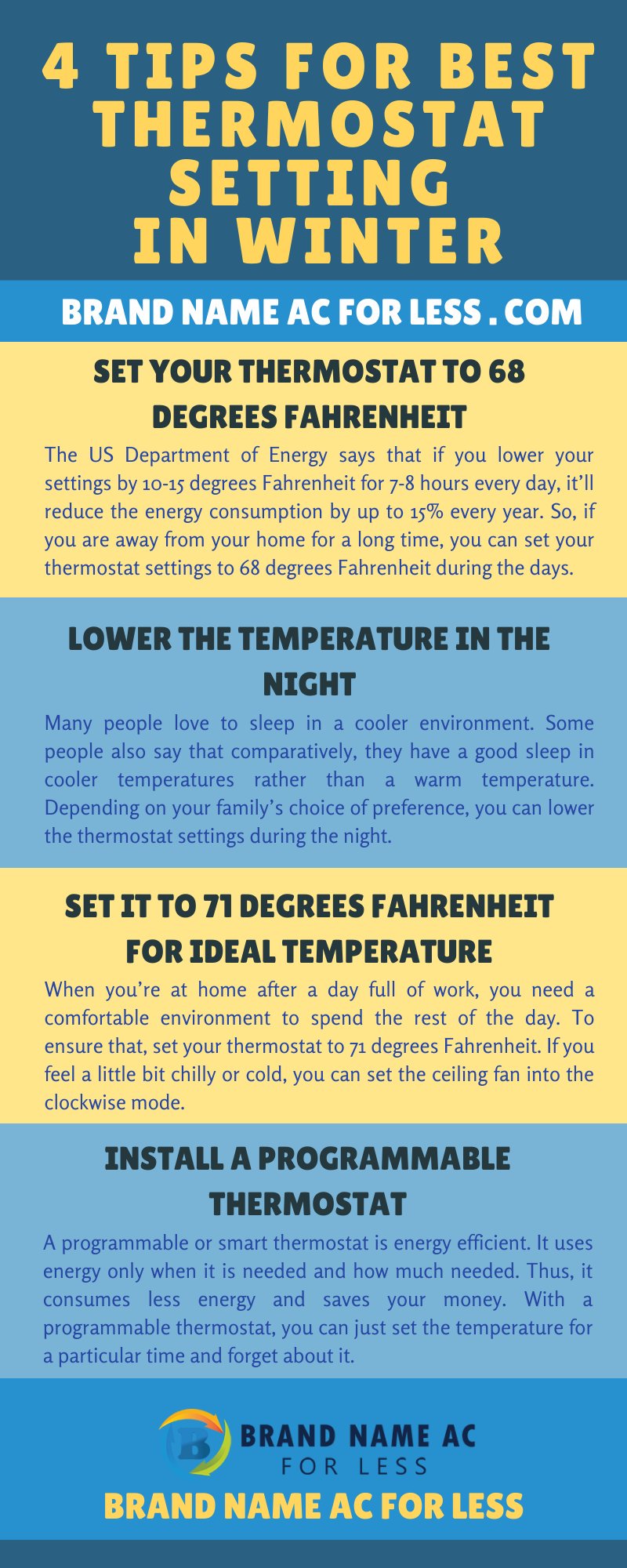
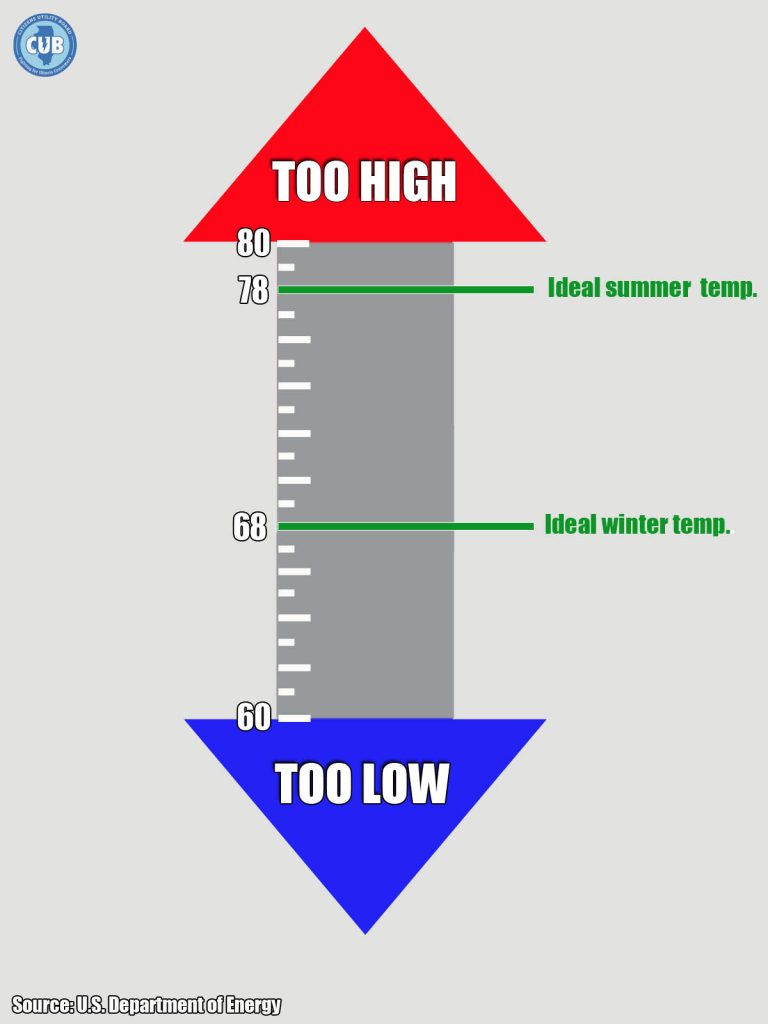
The ideal temperature for most homes in winter is between 68°F and 72°F (20°C to 22°C). This range feels comfortable without using too much energy. Lowering the temperature by a few degrees at night or when away can save money.
Setting your thermostat to 68°F (20°C) during the day keeps the house warm. At night, lowering it to 60°F to 65°F (16°C to 18°C) is safe and efficient. Programmable thermostats make these changes easy.
Balancing Warmth And Energy Use
Staying warm does not mean wasting energy. Use layers of clothing and blankets to help keep cozy. Seal windows and doors to stop cold air from entering. These steps reduce the need to raise the thermostat.
Lowering the thermostat by just 1 degree can cut heating costs by 3%. Use a timer to heat only when you need it. This balance saves money and keeps your home comfortable all winter long.
Energy Savings Strategies
Saving energy during winter helps lower heating bills and reduces waste. Small changes in thermostat settings can make a big difference. These energy-saving strategies keep your home warm and your costs low.
Lowering Temperature When Away
Turn down your thermostat when you leave the house. Lowering the temperature by 7 to 10 degrees can save energy. Your heating system works less while you are away. This simple step cuts heating costs without making your home cold for long. Set the temperature back before you return to stay comfortable.
Using Programmable Thermostats
Programmable thermostats adjust temperature automatically. You can set different temperatures for day and night. Program it to lower heat during work hours or bedtime. This avoids heating an empty home. These devices save energy and keep your home warm when needed. They are easy to use and help control heating costs.
Health And Comfort Factors
Setting the right thermostat temperature in winter affects health and comfort. It helps keep the body warm without causing problems. Proper temperature control supports better sleep and reduces illness risks. It also keeps the indoor air fresh and pleasant. Balancing warmth and air quality improves overall well-being during cold months.
Avoiding Overheating
Overheating can cause sweating and discomfort inside the home. It may dry out skin and irritate the throat. High temperatures can make it hard to sleep well. Setting the thermostat too high wastes energy and money. Aim for a comfortable range that keeps the air cozy but not hot.
Humidity And Air Quality
Warm air often feels dry in winter. Dry air can cause dry skin and itchy eyes. It also increases the risk of colds and flu. Use a humidifier or house plants to add moisture. Good air quality reduces dust and allergens. Keep windows slightly open or use air purifiers for fresh air.
Credit: everestkitchennc.com
Room-specific Settings
Setting the right temperature in each room helps save energy and keeps everyone comfortable. Different rooms serve different purposes and need different temperatures. Adjusting the thermostat by room can improve comfort without raising heating bills.
Living Areas Vs Bedrooms
Living areas like the living room or kitchen usually need a warmer temperature. People spend more active time there, so keeping it cozy matters. Around 68°F (20°C) works well for most living spaces during winter.
Bedrooms can be cooler since people sleep better in cooler air. Setting bedrooms around 60-67°F (15-19°C) helps improve sleep quality. Lowering the temperature at night also saves energy.
Adjusting For Occupants’ Needs
Each person feels temperature differently. Some may prefer warmer rooms, others cooler. Think about the needs of children, elderly, or anyone with health issues.
Use programmable thermostats to set different temperatures for day and night. Adjust settings for when rooms are empty to avoid wasting heat. Small changes make a big difference in comfort and savings.
Thermostat Maintenance Tips
Keeping your thermostat in good shape is key for winter comfort. Proper maintenance helps your system run smoothly and saves energy. Small checks can prevent big problems and keep your home warm.
Regular Calibration
Check your thermostat’s accuracy often. A wrong reading can make your home too cold or too hot. Use a separate thermometer to compare temperatures. Adjust the thermostat settings to match the real room temperature. This keeps your heating system efficient and your energy bills low.
Upgrading To Smart Thermostats
Smart thermostats learn your schedule and adjust temperatures automatically. They save energy by heating only when needed. Some models offer remote control through a phone app. This adds convenience and helps reduce heating costs. Consider upgrading for better control and comfort.
Credit: www.citizensutilityboard.org
Frequently Asked Questions
What Is The Ideal Thermostat Temperature For Winter?
The ideal thermostat temperature for winter is around 68°F (20°C) when you’re home. Lower it by 7-10 degrees at night or when away to save energy and reduce heating costs.
How Can Thermostat Settings Save Energy In Winter?
Lowering your thermostat by 7-10 degrees for 8 hours daily cuts heating use by up to 10%. Using a programmable thermostat automates this, maximizing comfort and energy savings.
Should I Change Thermostat Settings When Sleeping?
Yes, lowering your thermostat to around 60-65°F (15-18°C) during sleep improves comfort and saves energy. Use warm bedding to stay cozy without extra heating.
How Does Thermostat Temperature Affect Heating Bills?
Higher thermostat settings increase heating costs significantly. Keeping it at 68°F during the day and lowering it at night optimizes energy use and reduces bills.
Conclusion
Setting your thermostat right saves energy and keeps you warm. A temperature around 68°F works well during winter days. Lowering it at night helps cut down heating costs. Dress warmly inside to stay comfortable at lower settings. Small changes make a big difference in your energy bill.
Keep checking your thermostat to find what feels best. Stay cozy, save money, and help the environment too. Simple steps bring comfort all winter long.